Based in Luton
IMWHS logo

Water Testing in Luton

Water sampling and analysis to help assess the effectiveness of your control measures alongside your risk assessment and routine monitoring.

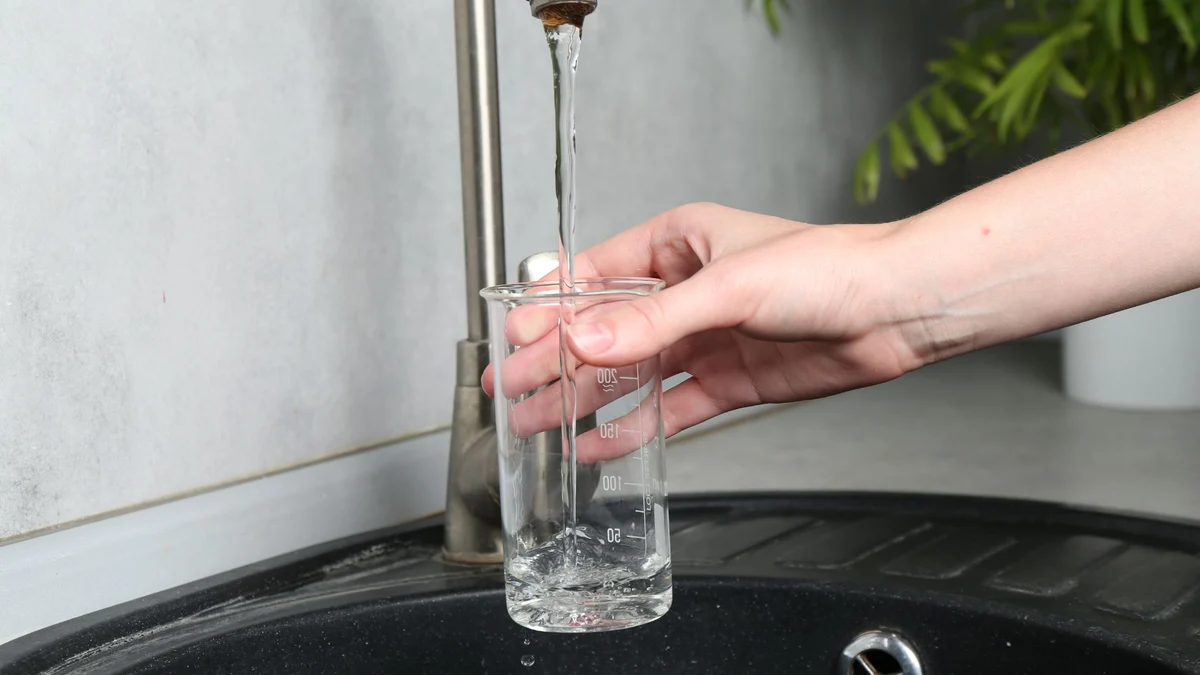
Water being collected from a tap in a measuring beaker

20 years

Isaac's Legionella experience

HSE ACoP L8

compliant assessments

Gas Safe

registered

£5m

public liability cover

Service overview

What water testing tells you

What it is

Water testing means taking samples from your water system and having them analysed to check for Legionella and other indicators of poor water quality. It is used alongside temperature monitoring to confirm that your control measures are doing their job. Results give you hard evidence about the condition of your water.

Who it's for

Testing is often needed by healthcare facilities, buildings with vulnerable occupants, sites with complex systems or storage, and any building where monitoring or the risk assessment suggests control may not be fully effective. Landlords and businesses also use it for reassurance after a building has been empty.

When you need it

Sampling is commonly carried out when temperatures cannot be reliably maintained, after a system has been disinfected, after periods of low use or closure, when there is doubt about the effectiveness of control, or where an outbreak is suspected. Your risk assessment will set out whether routine sampling is needed.

Why use a specialist

Results are only useful if samples are taken correctly, from the right outlets, at the right time. Poor sampling can give false reassurance. We take samples as part of a wider understanding of your system, built on 20 years of Legionella control experience, and explain what the results mean and what to do next.

The risk

Why not testing can leave you exposed

Where a risk assessment identifies a need for testing, omitting it can leave gaps in the information available. A system can appear to be well controlled on paper while bacteria are growing in a dead leg, a tank or a rarely used shower. Problems often only come to light when someone becomes ill.

Undetected contamination puts occupants at risk of Legionnaires' disease and leaves you without evidence that control is effective. If a problem is later found, a lack of testing where your assessment called for it can be hard to defend. Early results let you act before a minor issue turns into a full disinfection or closure.

Common mistakes we see

  • Sampling from convenient outlets rather than the ones that represent the highest risk.
  • Testing once and assuming the system stays clean.
  • Not re-testing after a disinfection to confirm it worked.
  • Receiving results with no explanation of what action to take.
  • Filing results away rather than using them to adjust control measures.

Service requirements

Discussing your water testing requirements.

The scope, schedule, checks and any reporting or handover requirements are agreed for your property at quote stage.

  1. Step 1

    Free initial site visit

    We discuss your system, assessment and why testing is needed.

  2. Step 2

    Sampling plan

    We choose sampling points that represent the real risk in your system.

  3. Step 3

    Sample collection

    Sample collection and any site-condition records are agreed for your system.

  4. Step 4

    Analysis

    Samples are sent for analysis.

  5. Step 5

    Results and next steps

    We explain the results and recommend any action, which we can carry out.

Benefits

What you get.

Hard evidence

Results provide information to help assess control measures.

Early warning

Sampling can help identify contamination.

Targeted action

Results can help inform further investigation and corrective action.

Verified disinfection

Follow-up sampling can help assess cleaning and disinfection.

Clear explanation

Results come with plain-English advice.

Joined-up service

Testing links straight into remedial works and control.

In detail

Water sampling in detail

Testing is most valuable when it is part of a wider control strategy, not a standalone exercise.

Choosing sampling points

We select outlets that represent the highest risk: those furthest from the water heater, little-used outlets, showers, and points after storage tanks. This gives a realistic picture of the system rather than a best-case one.

Routine and reactive testing

Routine testing is scheduled as part of your written scheme where the risk assessment requires it. Reactive testing is carried out after an event: a disinfection, a closure, poor temperature results or a suspected case.

After disinfection

When a system has been cleaned and disinfected, follow-up sampling may form part of assessing effectiveness. A test result alone does not guarantee the whole system is safe.

Commercial and domestic

Commercial sites such as healthcare facilities, schools and office buildings often need structured testing programmes. Domestic landlords may need occasional testing, for example after a property has been empty.

Using the results

Results feed back into your risk assessment and written scheme. If they show a problem, we recommend remedial works, adjustments to temperatures or flushing, or cleaning and disinfection.

Guide

Understanding Legionella sampling and what results mean

Water testing is a verification tool. It does not replace good control measures such as temperature control and flushing; instead, it confirms whether those measures are working. HSE guidance describes situations where sampling is appropriate, including where control relies on treatment rather than temperature, where there is doubt about the effectiveness of control, and in systems serving people who are particularly vulnerable.

Where you sample from matters as much as how often. A sample taken from a busy kitchen tap close to the water heater tells you very little about the shower at the end of a long pipe run that is used once a month. We choose sampling points that represent the real risk in your system so the results mean something.

If a sample returns a positive result, the right response depends on the level found, where it was found and who uses the system. It may mean reviewing temperatures and flushing, cleaning and disinfecting part of the system, carrying out remedial works or reviewing the risk assessment. We explain the result in plain terms and recommend proportionate action.

For landlords and businesses in St Albans, Harpenden, Hemel Hempstead, Luton and the surrounding area, testing is also a sensible step after a property has been empty or a building has been closed for a period. Results can inform a risk-based plan for bringing the system back into use; testing alone does not establish safety.

Reporting and record-update arrangements should be agreed as part of the service. Records can document results and any corrective action.

Testing for different types of property

Healthcare and care settings often need more structured testing because occupants may be more vulnerable. Sampling may be routine rather than occasional, and results need fast, clear interpretation so decisions can be made quickly.

Schools and leisure facilities such as golf clubs benefit from testing after long closures or quiet seasons, and before showers and changing rooms come back into heavy use. Results provide information to support decisions about bringing the system back into use; they do not guarantee safety.

Office buildings with stored water, multiple floors or partial occupancy may need testing where the risk assessment shows control is harder to maintain, for example where hot water struggles to reach outlets at the right temperature.

Domestic landlords and homeowners do not usually need routine testing, but it can be a sensible check after a property has stood empty, after work on the water system, or where there are concerns about the condition of a loft tank.

Book a free site visit

FAQs

Water Testing: your questions answered.

07398 411881

8am – 8pm, Monday – Sunday

How much does water testing cost?

+

It depends on how many samples are needed and from where. We provide a free initial site visit and a detailed quotation.

Do you charge for a site visit or quote?

+

No. Initial site visits and Legionella quotes are completely free, with no obligation. We provide detailed quotations.

How long do results take?

+

Turnaround depends on the analysis required. We will confirm expected timescales when we agree the sampling plan.

Do I need routine Legionella testing?

+

Your risk assessment will set out whether routine sampling is needed. It is more common in higher-risk settings and where temperatures cannot be reliably controlled.

What happens if Legionella is found?

+

We explain the result and the level of risk, and recommend action such as flushing, temperature adjustments, cleaning, disinfection or remedial works, which our team can carry out.

Can you test after our building has been closed?

+

We provide water sampling and analysis. Your risk assessment should inform testing and other precautions before reopening; a test result alone does not establish safety.

Do you test water in St Albans and Hertfordshire?

+

Yes. We cover St Albans, Harpenden, Hemel Hempstead and the wider Hertfordshire area, as well as Luton and Bedfordshire.

Can you attend outside office hours?

+

We're available 8am to 8pm, seven days a week, so we can often work around your opening hours, school terms or tenant schedules. Call 07398 411881 to arrange a time.

Free site visit

Discuss water sampling and analysis.

Book your free site visit for water testing. Initial site visits are free; the proposed work and terms are set out in a detailed quotation.

07398 411881

isaac@imwhs.com · 8am – 8pm, Monday – Sunday

  • Free initial site visits and Legionella quotes
  • Gas Safe Registered · £5m public liability
  • Warranty on remedial plumbing and boiler installations; terms at quote stage