Based in Luton
IMWHS logo

Tank Cleaning & Disinfection in Luton

Clean storage, clean water. Cold water tank cleans and system disinfections that remove sludge and biofilm, carried out by a team that understands why it matters.

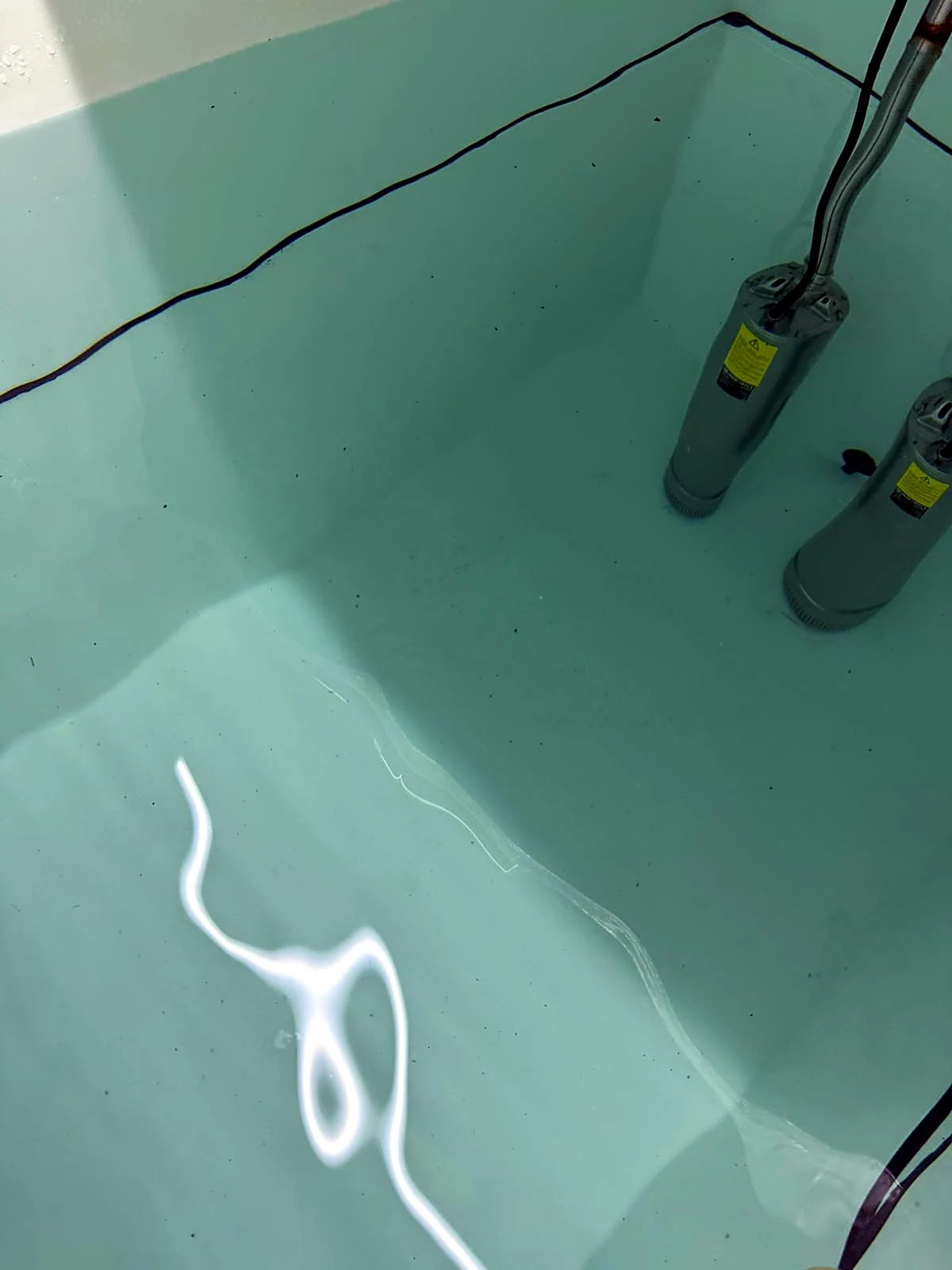
Cleaned and disinfected cold water storage tank refilled with clear water

20 years

Isaac's Legionella experience

HSE ACoP L8

compliant assessments

Gas Safe

registered

£5m

public liability cover

Service overview

What tank cleaning and disinfection involve

What it is

Cold water storage tanks collect sediment, debris and biofilm over time, all of which give Legionella somewhere to grow. Tank cleaning removes this build-up. Disinfection uses a controlled process to kill bacteria in the tank and, where needed, the wider system.

Who it's for

It is for any building with stored cold water, including healthcare facilities, schools, golf clubs, office buildings and residential properties with loft or roof tanks.

When you need it

Cleaning and disinfection are needed when an inspection finds debris, sludge or poor condition, when water testing returns a positive result, after a system has been altered or extended, after a long period of non-use, or when your risk assessment recommends it.

Why use a specialist

Disinfection has to be done carefully to work and to be safe. As Legionella specialists, we understand how tank condition affects the whole system and can combine cleaning with remedial works and testing where needed.

The risk

What happens inside a neglected tank

A neglected tank gathers sediment, rust, insects and debris. Water sitting on this layer warms up and stagnates, and biofilm grows on the surfaces. Bacteria shelter in this biofilm, protected from normal control measures.

A contaminated tank can seed bacteria throughout the building's cold water system and into hot water. This increases the risk of Legionnaires' disease and may lead to a positive sample result, emergency disinfection and closure of facilities.

Common mistakes we see

  • Cleaning the tank but not addressing why debris got in, such as a missing or ill-fitting lid.
  • Disinfecting without first removing sediment, which reduces effectiveness.
  • Not flushing the system properly afterwards.
  • Skipping follow-up testing to confirm the disinfection worked.
  • Ignoring oversized tanks that hold water too long.

Service requirements

Discussing your tank cleaning & disinfection requirements.

The scope, schedule, checks and any reporting or handover requirements are agreed for your property at quote stage.

  1. Step 1

    Free site visit

    We inspect the tank and system and confirm what is needed.

  2. Step 2

    Plan and quote

    We plan the work to limit disruption to water supply.

  3. Step 3

    Clean

    The tank is drained and sediment, debris and biofilm removed.

  4. Step 4

    Disinfect and flush

    The scope of tank or system disinfection, flushing and verification is agreed for your system.

  5. Step 5

    Verify and record

    We record the work and can arrange follow-up water testing.

Benefits

What you get.

Cleaner water

Sediment and biofilm removed from storage.

Reduced risk

Cleaning and disinfection help reduce conditions that support bacterial growth.

Planned disruption

Work scheduled around your building's use.

Remedial recommendations

Tank condition issues can be discussed as part of remedial works.

Follow-up testing

Water sampling and analysis can help assess the effectiveness of disinfection.

Full records

Documentation for your scheme and compliance file.

In detail

Tank cleaning and disinfection in detail

The approach depends on the tank, the system and why the work is needed.

Cold water storage tanks

Tanks vary from small loft tanks in domestic properties to large sectional tanks in commercial buildings. We clean the internal surfaces and check the lid, overflow, screens and insulation.

System disinfection

Where contamination may have spread, disinfection extends to the distribution pipework so the whole system is treated, not just the tank.

After alterations or non-use

New, altered or unused systems should be assessed to determine any cleaning, disinfection and verification needed before use.

Tank condition and remedial work

Where tanks are damaged, uncovered or oversized, we recommend repairs, modifications or replacement as remedial works.

Commercial and domestic

Commercial sites need work planned around occupants and water supply. Domestic jobs for landlords and homeowners are usually quicker but follow the same principles.

Guide

Cold water storage tanks: what good looks like

Cold water storage tanks are one of the most common sources of Legionella risk in UK buildings. HSE guidance expects tanks to be inspected regularly and cleaned and disinfected when inspection shows it is needed. A well-maintained tank has a tight-fitting lid, screened overflow and vent, adequate insulation, no debris or sediment, and water that is used quickly enough that it does not stagnate or warm up.

Problems usually build up slowly. A lid that does not fit properly lets in dust, insects and even birds or vermin. Sediment settles on the base. Water temperature creeps up in a warm loft or plant room. Over time, these conditions combine to create an ideal environment for bacteria.

Cleaning involves isolating and draining the tank, removing sediment and debris, and cleaning internal surfaces. Disinfection then uses a controlled process to kill bacteria, followed by flushing and any verification required by the agreed procedure. Where contamination may have spread, disinfection extends into the pipework.

We also look at why the tank became dirty in the first place. If a lid is damaged, insulation is missing or the tank is oversized for current use, we recommend the right remedial fix so the problem does not keep coming back.

Follow-up water sampling can help assess the effectiveness of disinfection, which is particularly important after a positive sample or before a building comes back into use.

We clean and disinfect tanks in commercial premises such as schools, healthcare facilities, golf clubs and offices, as well as loft tanks in homes and rental properties across Luton, Bedfordshire, Hertfordshire and the surrounding counties.

When tank cleaning is part of a bigger picture

In healthcare and care settings, tank cleaning and disinfection are often planned alongside water testing so the effectiveness of the work can be confirmed before areas are returned to normal use.

In schools, tank work can be discussed for holiday periods, subject to availability, when lower demand makes it easier to isolate supply and disinfect the system without disrupting lessons.

In golf clubs and offices, tank work is scheduled around quieter periods. Where a tank is oversized for current use, we may recommend reducing stored volume so water turns over more quickly.

For landlords, a tank clean between tenancies is a sensible way to hand over a property with clean, safe stored water, particularly where the loft tank has not been looked at for years.

Whatever the setting, the completion records required for a tank clean should be agreed as part of the service.

Book a free site visit

FAQs

Tank Cleaning & Disinfection: your questions answered.

07398 411881

8am – 8pm, Monday – Sunday

How much does tank cleaning cost?

+

It depends on the size and number of tanks and whether system disinfection is needed. We provide a detailed quotation; initial site visits are free.

Are initial site visits and Legionella quotes free?

+

Yes. Initial site visits and Legionella quotes are free. We provide detailed quotations.

How often should water tanks be cleaned?

+

When inspections find debris or poor condition, after a positive test result, or as your risk assessment recommends.

Will we lose water supply during the work?

+

There may be a period without stored water. We plan the work to keep disruption to a minimum.

Do you test the water afterwards?

+

Follow-up water sampling and analysis can help assess disinfection; discuss whether it is needed for your system.

Can you replace a damaged tank?

+

Yes. Tank repairs, modifications and replacements are part of our remedial works service.

Do you clean tanks in homes and rental properties?

+

Yes. We mainly work with commercial clients but also take on domestic work.

How long does tank cleaning take?

+

It depends on the size and number of tanks and whether the wider system needs disinfecting. We confirm expected timescales at the free site visit.

Why does my tank keep getting dirty?

+

Usually because of a missing or ill-fitting lid, unscreened overflows or vents, or a tank that is too large for current use. We identify the cause and recommend a fix.

When can you attend?

+

We're available 8am to 8pm, seven days a week, which makes it easier to schedule work around your opening hours. Call 07398 411881.

Free site visit

Get your water storage clean and safe.

Book your free site visit for tank cleaning & disinfection. Initial site visits are free; the proposed work and terms are set out in a detailed quotation.

07398 411881

isaac@imwhs.com · 8am – 8pm, Monday – Sunday

  • Free initial site visits and Legionella quotes
  • Gas Safe Registered · £5m public liability
  • Warranty on remedial plumbing and boiler installations; terms at quote stage