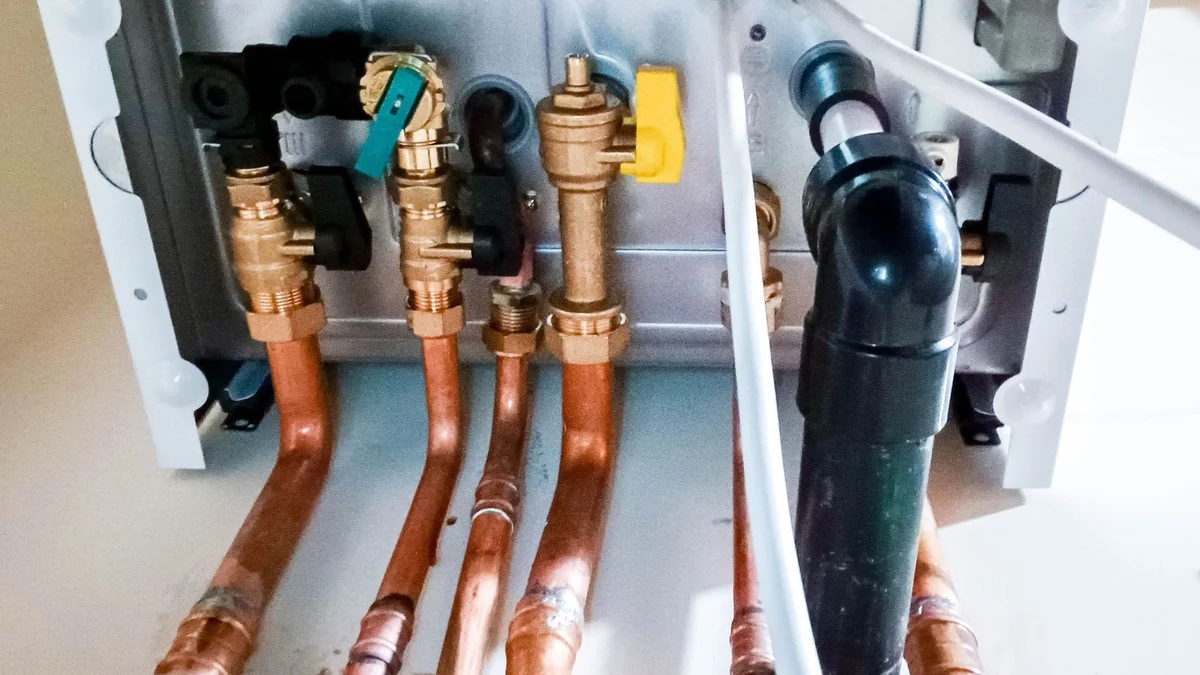
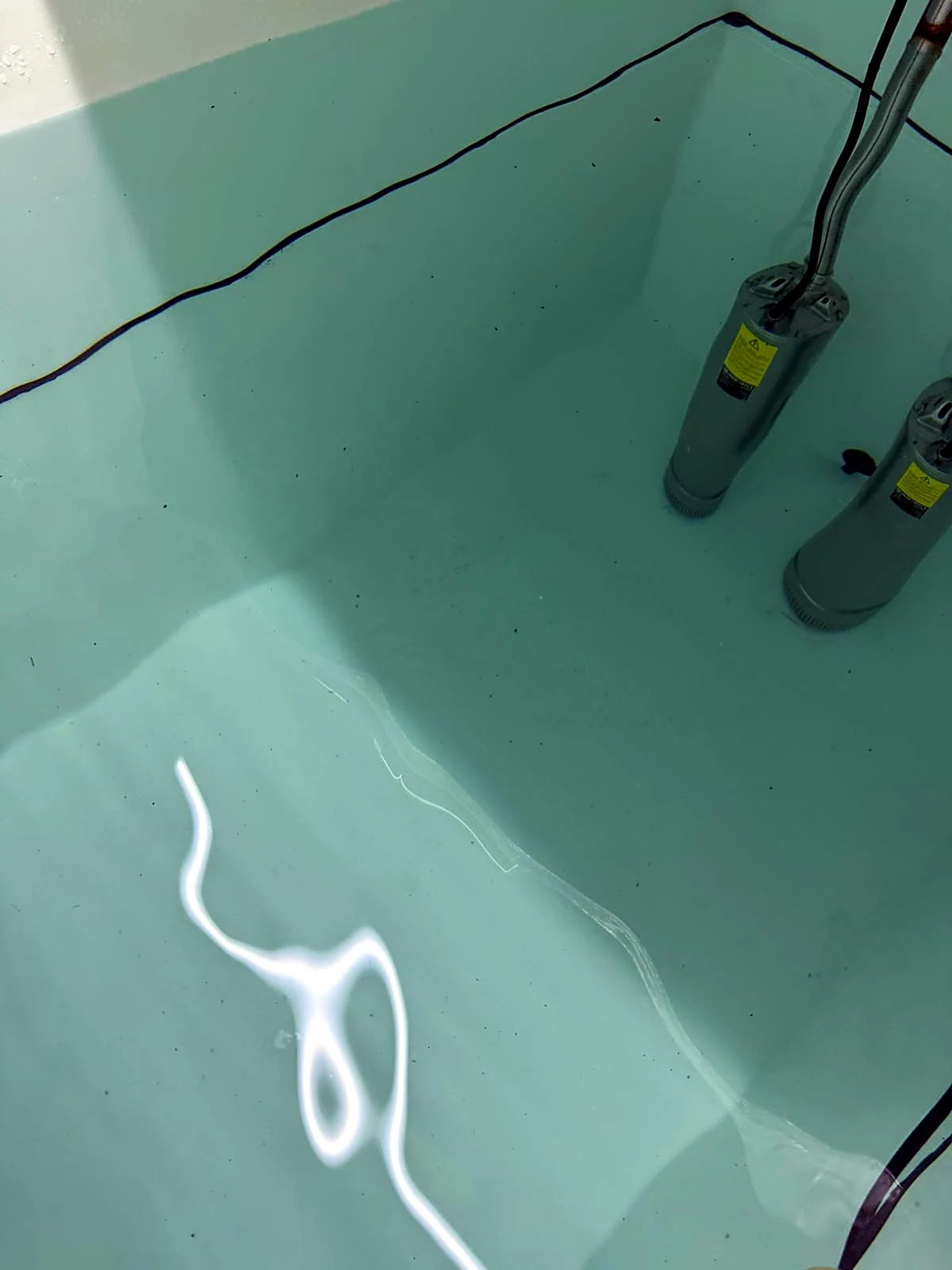
The most effective Legionella control is simple, consistent and recorded. HSE guidance focuses on a few core principles: avoid water temperatures between 20°C and 45°C, avoid stagnation, avoid the build-up of nutrients such as rust, sludge and scale, and keep systems clean. Almost every control measure links back to one of these.
In practice, this means keeping stored hot water hot, keeping cold water cool, flushing outlets that are not used often, keeping tanks covered and clean, and maintaining equipment such as calorifiers and thermostatic mixing valves. None of these tasks is difficult on its own. The challenge is making sure they all happen, at the right frequency, every week of the year, and that someone notices when a result is wrong.
That is where many organisations struggle. Facilities teams are stretched, caretakers change, and Legionella control competes with dozens of other priorities. We take that pressure away by running the regime for you, keeping clear records and reporting arrangements agreed as part of the service.
Isaac Maginn's 20 years of experience across healthcare facilities, schools, golf clubs and office buildings means we can set up a regime that matches how your building is actually used, not a generic schedule that ignores holidays, quiet seasons or areas that are rarely occupied.
Healthcare facilities: patients and residents are often more vulnerable to infection, so HSE guidance sets tighter expectations, including hot water reaching outlets at 55°C. Control regimes need careful records, close attention to thermostatic mixing valves, and quick action when results drift. We plan monitoring around clinical areas so checks cause as little disruption as possible.
Schools: long holidays leave pipework standing for weeks. Before pupils return, outlets need flushing and temperatures need confirming. We build half-terms and summer holidays into the control plan to support preparations for pupils returning.
Golf clubs: changing rooms and showers are busy at weekends and during competitions, then quiet for days. Clubhouse kitchens and bars add further outlets. We set flushing and monitoring around these peaks and troughs, and make sure committees have clear records to show members and insurers.
Offices and landlords: shared plant, partial occupancy and empty units all increase stagnation risk. Landlords also need to manage periods between tenancies. We tailor control so every part of the building is covered, including floors or units that are currently unused.